Solutions
Technology built aroundyour mission.
One disciplined method — discover, architect, integrate, secure, operate, scale — applied to every organization we serve.
Solutions
Technology built around your mission.
No two institutions share the same objectives, risk posture or growth curve. Every solution we deliver is tailored to the organization it serves — and engineered through one disciplined method.
Discover and Define
Establish the mission, requirements and measures of success.
We assess organizational objectives, stakeholder needs, existing systems and operating constraints. We define the system boundary, intended operating scenarios and external dependencies, then develop measurable requirements and acceptance criteria. Feasibility, lifecycle costs and delivery risks inform the investment decision.
- Business needs, stakeholder expectations and operating scenarios
- Current-state assessment, feasibility and lifecycle costs
- Functional, performance, security, safety and support requirements
- Requirements ownership, traceability and acceptance criteria
- Approval checkpoint: Agreed scope, approved requirements baseline and an authorized engineering plan.
Architect and Design
Define how the complete system will perform and operate.
We develop and evaluate architecture options against approved requirements, risks and lifecycle costs. The selected architecture is translated into coordinated designs, interface definitions and technical specifications. Capacity, resilience, security, maintainability and future expansion are addressed together.
- Architecture alternatives and documented design decisions
- Detailed designs, engineering calculations and interface definitions
- Capacity, availability, recovery and maintenance planning
- Procurement specifications and verification and validation plans
- Approval checkpoint: Reviewed design baseline and authorization to proceed with procurement and implementation.
Implement and Integrate
Build and connect the system under controlled engineering conditions.
We manage technical delivery from supplier assessment and site readiness through installation, configuration and integration. Components are checked against approved specifications, interfaces are tested progressively, and changes are assessed before implementation.
- Supplier technical submissions and equipment conformity checks
- Site readiness, installation and configuration management
- Component verification and progressive integration testing
- Change control, issue resolution and as-built records
- Approval checkpoint: Integrated system ready for formal system-level verification and validation, with outstanding issues assessed.
Verify, Validate and Transition
Demonstrate compliance, confirm operational suitability and authorize service entry.
We verify the system against its requirements and validate its performance against agreed operational scenarios. Testing addresses functionality, capacity, security, resilience and recovery. Transition includes migration planning, operator training, support readiness and formal acceptance.
- Requirements-based verification and operational validation
- Performance, security, failover and recovery testing
- Migration, cutover and rollback planning
- Training, operating procedures, handover and acceptance evidence
- Approval checkpoint: Documented acceptance and service-entry authorization, with residual risks and outstanding actions assigned to accountable owners.
Operate and Maintain
Sustain service performance through accountable operations.
We establish service ownership, monitoring, support and maintenance arrangements that keep the system performing against agreed targets. Operational evidence informs incident resolution, preventive maintenance, security improvements and capacity decisions.
- Monitoring, service-level measurement and reporting
- Incident, problem, change and configuration management
- Preventive maintenance, patching and supplier support
- Backup restoration, recovery exercises and continuity readiness
- Review checkpoint: Periodic service and risk reviews with agreed corrective and improvement actions.
Evolve and Retire
Manage growth, modernization and end-of-life responsibly.
We assess changing business needs, operational performance and technology lifecycles to guide expansion or replacement. Changes are evaluated, approved and verified before deployment. Systems reaching end-of-life are retired through controlled migration and closure activities.
- Capacity optimization and integration of new sites or services
- Change impact analysis and regression testing
- Technology refresh, obsolescence and migration planning
- Data retention, secure sanitization, asset disposal and service closure
- Approval checkpoint: Authorized change or retirement, supported by updated records and evidence that affected services and obligations have been addressed.
Security Designs and Operations
Security, Assurance and Governance Across Every Stage
Security, privacy, safety and quality are addressed throughout the lifecycle according to system risks and applicable obligations. Requirements, interfaces, configurations, costs, schedules and technical risks remain under documented control. Each project defines accountable roles, review criteria, approval authority and the evidence needed to proceed. Activities are tailored to project complexity and criticality, with feedback from testing and operations used to refine requirements and designs.
Every solution is tailored to
01
Organizational objectives
Technology mapped to the outcomes leadership is accountable for.
02
Performance requirements
Capacity, latency and throughput engineered to defined targets.
03
Regulatory requirements
Controls aligned to the frameworks the organization must evidence.
04
Security requirements
Threat models and defense in depth from the first design review.
05
Scalability
Architectures that expand incrementally without redesign.
06
Business continuity
Backup, recovery and resilience treated as core requirements.
Core competencies
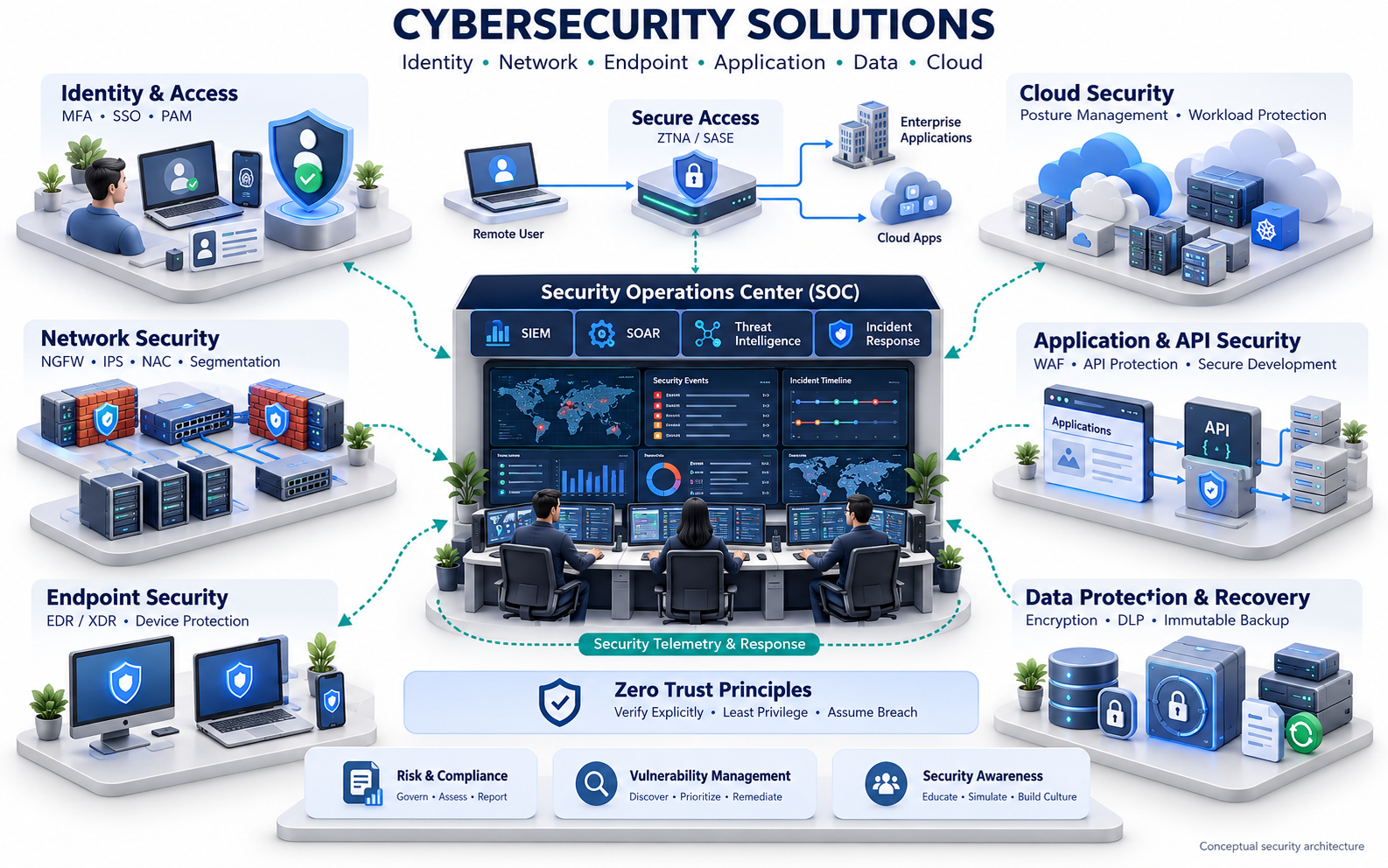
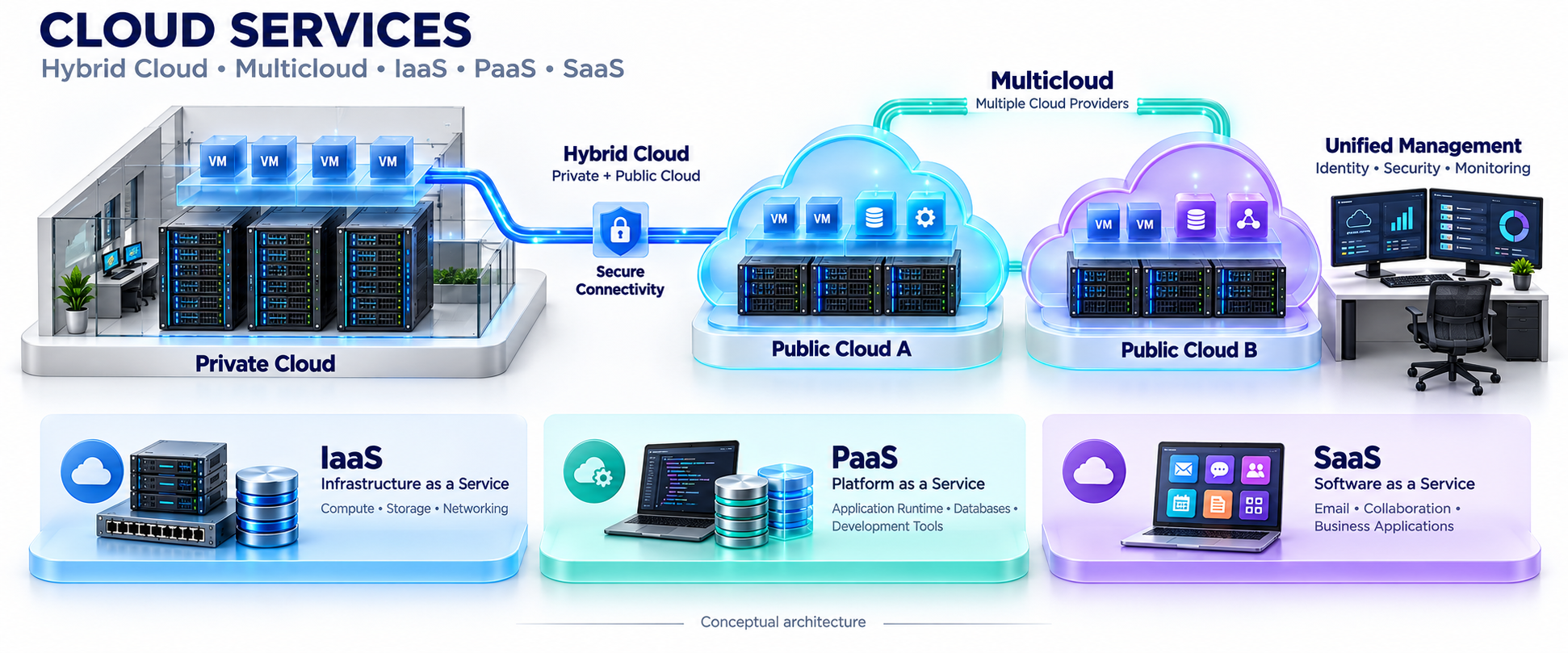
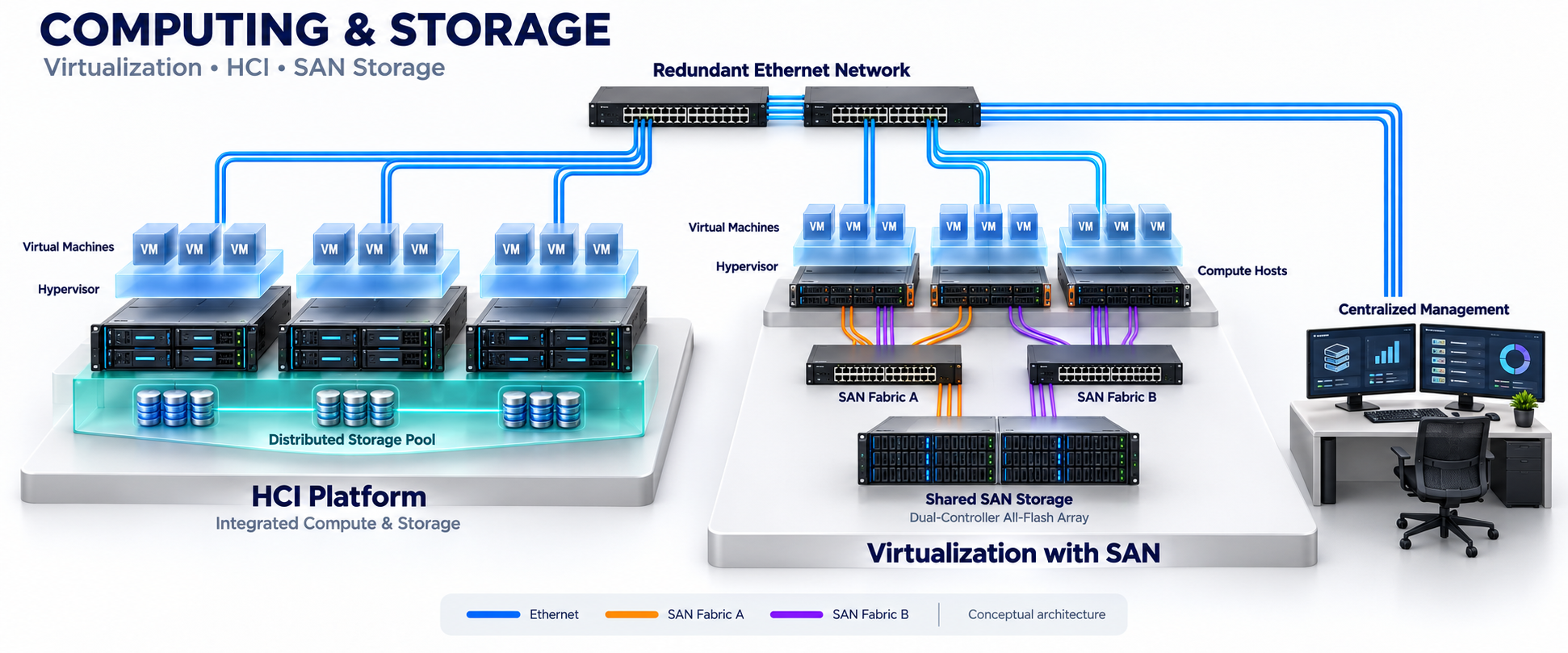
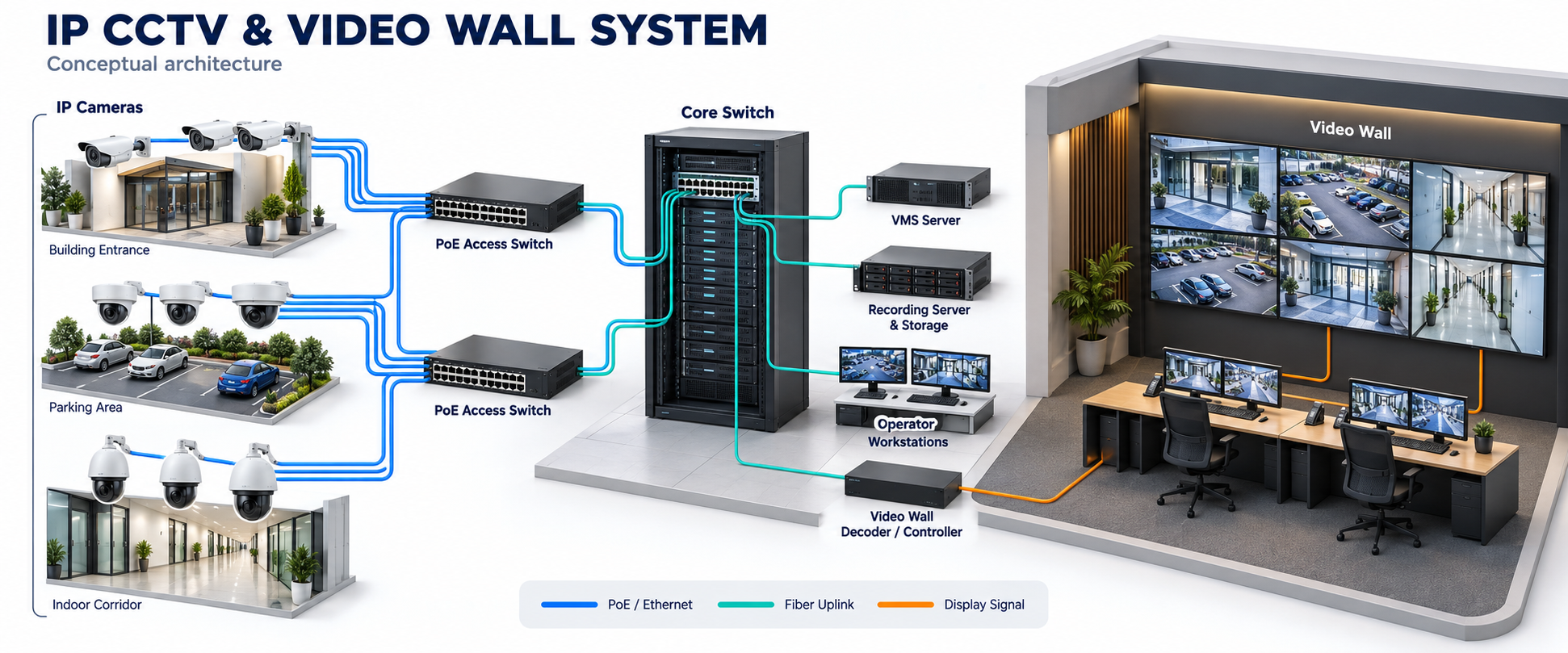
Seven disciplines. One accountable team.
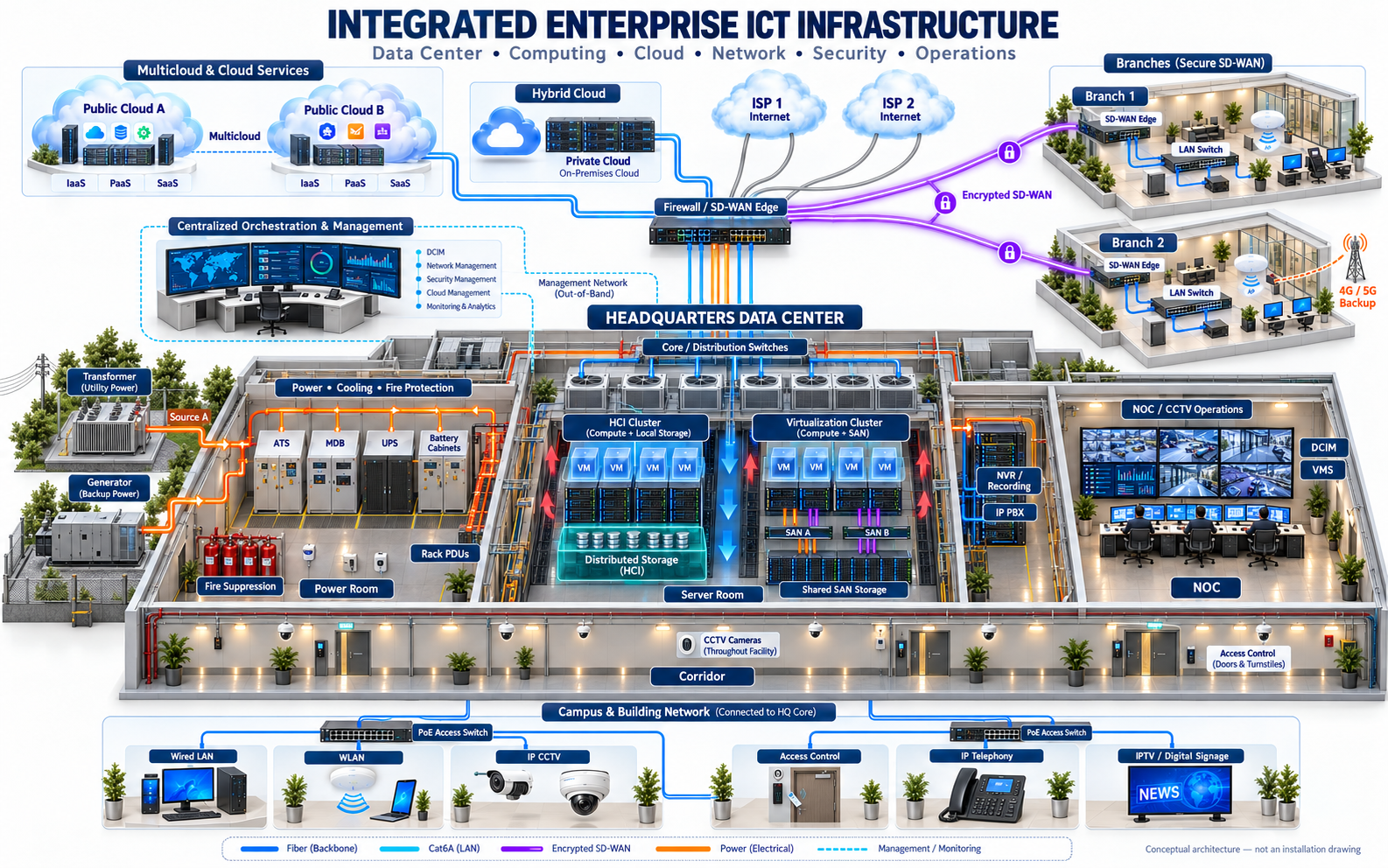
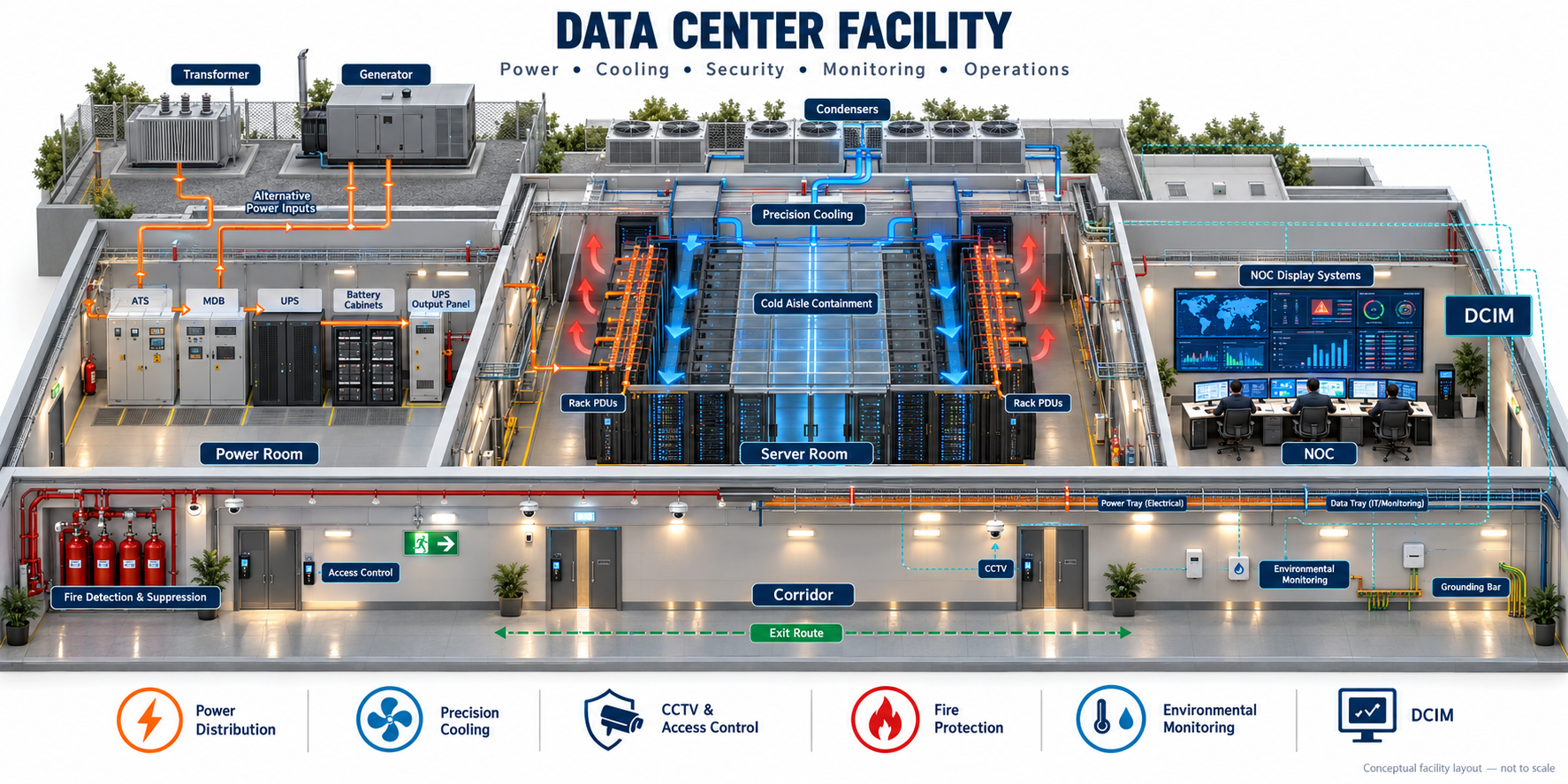
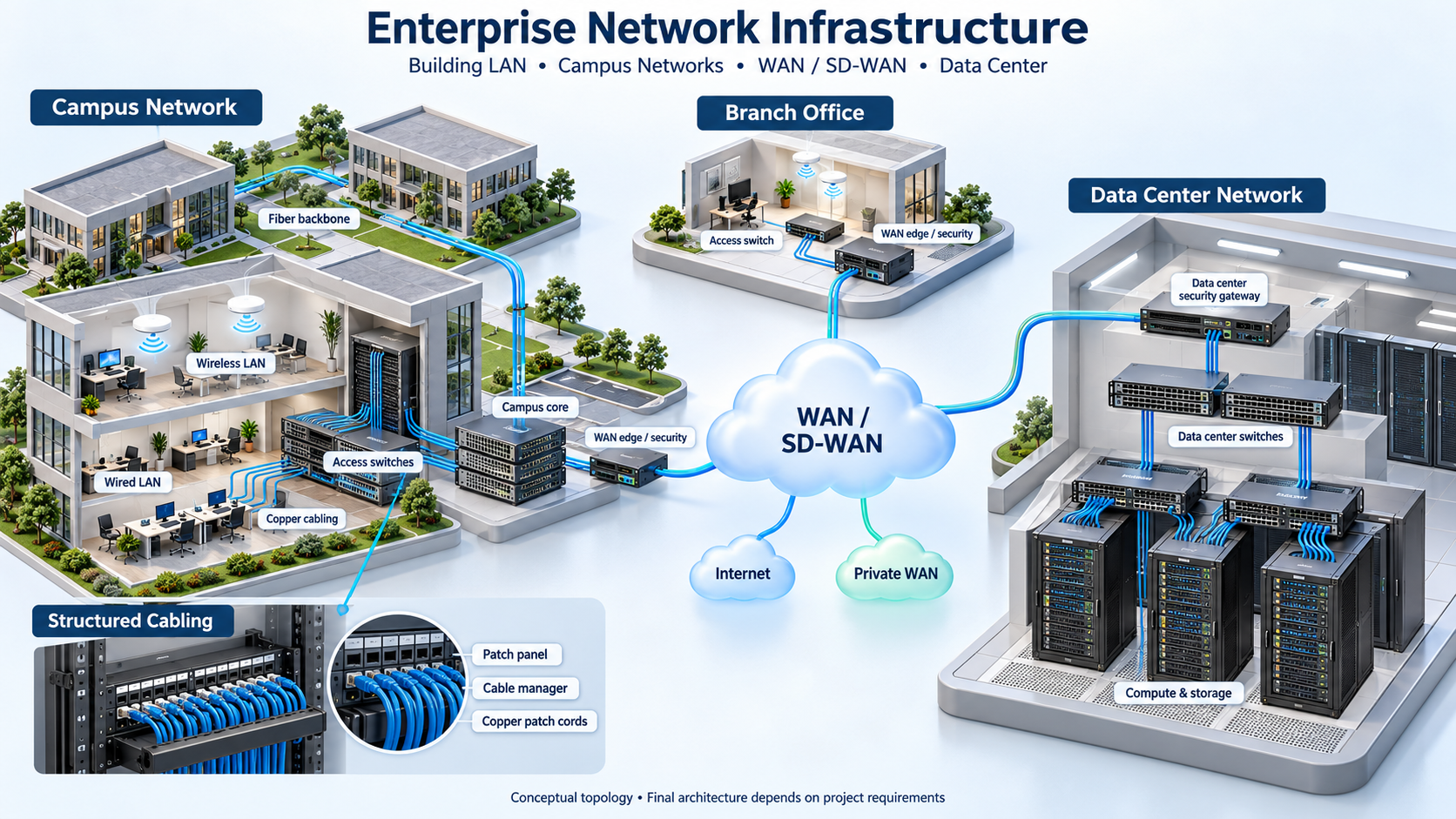
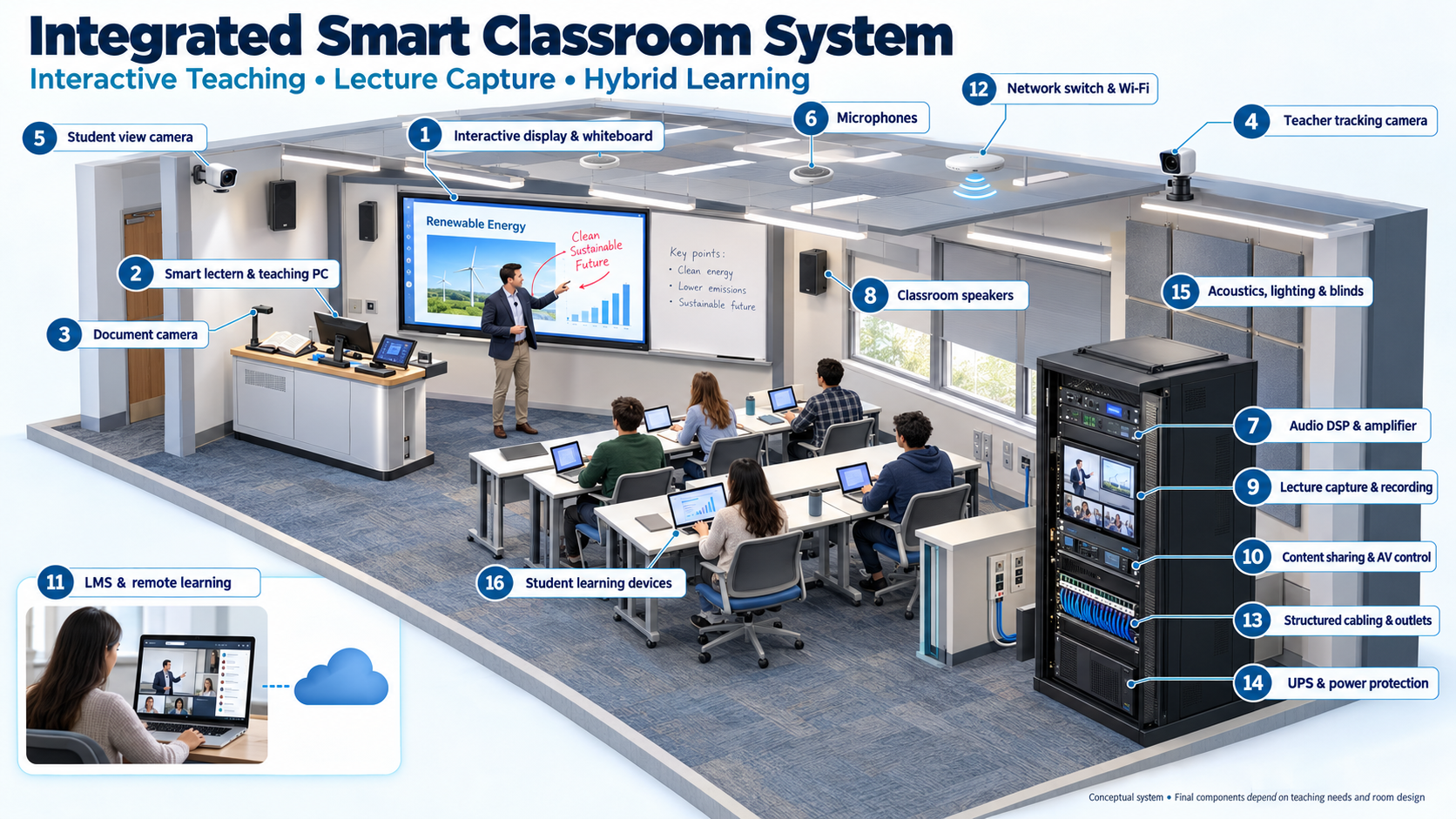
From the physical layer to the security operations center, we design, integrate and support the infrastructure organizations run on.
Why Yaron
Why organizations choose Yaron.
Six principles that shape how we design, deliver and stand behind critical infrastructure.
- 01
Engineering Expertise
Founded and led by engineers with 20+ years of combined leadership across national and international ICT infrastructure programmes.
- 02
End-to-End Delivery
Consultancy, design, supply, implementation, training and support — one accountable team from first workshop to handover.
- 03
Security by Design
Threat models, segmentation and compliance obligations shape the architecture from the first review, not the last.
- 04
Enterprise Reliability
Documented, tested and supportable systems built to the availability targets government and financial institutions require.
- 05
Local Execution
A strong Addis Ababa delivery team with on-the-ground presence, regulatory understanding and rapid response.
- 06
Long-Term Partnership
We measure success in years of reliable operation, not in deliveries — relationships rooted in trust and measurable value.
Addis Ababa · Ethiopia
Let's engineerwhat's next.
Let's engineer what's next.Tell us what you're building, protecting or transforming. Our team can help architect the infrastructure behind it.